

View From The Top

Rajesh Khanna,
President,
Vantedge Search
The insights in this edition suggest that credibility is no longer shaped by performance metrics alone. It is reinforced through clarity of reasoning, visible accountability, and the ability to explain how transformation strengthens long-term value. Leaders who address technological disruption and workforce change with candor are increasingly setting the tone for the next phase of executive leadership. As you read this month’s perspectives—from CEO commentary on AI to patterns in global C-suite transitions—we invite you to consider a broader question: in a climate where every strategic move is interpreted as a signal, how are leaders sustaining trust while navigating change?
The Credibility Crunch: When Workforce Cuts Stop Inspiring Confidence

In late December 2025, Fortune reported findings from Goldman Sachs that marked a striking reversal in market behavior. For years, Wall Street rewarded companies that trimmed staff under the banner of “strategic restructuring” or “efficiency.” But Goldman’s analysts found that stocks of companies announcing layoffs had fallen by an average of 2%, even when management framed those cuts as part of technological modernization. Their data suggested investors were treating these announcements not as proof of discipline but as warning signs, signals that firms might be masking pressure from rising debt costs and weaker profit growth.
That data point tells a much larger story. It reflects a marketplace, and a workforce, that now reads leadership decisions with greater skepticism and sophistication. The era when a CEO could equate “leaner” with “stronger” is fading fast. Today, every workforce announcement becomes a real-time referendum on leadership credibility. In a climate shaped by automation, AI adoption, and relentless cost scrutiny, what leaders say about transformation has become inseparable from what they do.
For executive search and leadership advisory professionals, this is more than a passing trend. It signals a structural shift in what boards and investors expect from top executives. The leaders most in demand will be those who can marry operational agility with narrative integrity: the ability not only to execute transformation, but to frame it within a coherent, values-driven strategy that withstands scrutiny.
For search professionals, this raises a more practical question—how do you identify this capability? The answer lies in looking beyond restructuring outcomes and probing the process behind them. Did the leader align stakeholders before major workforce decisions? Was there evidence of deliberate workforce planning rather than reactive cuts? Were employees retained through trust rather than fear? Did customers and investors respond with confidence rather than uncertainty? Communication, in this context, is not cosmetic polish—it is evidence of strategic clarity.
Transformation still matters. But in today’s climate, execution without explanation is insufficient. Boards are increasingly attentive to leaders who can articulate why change is necessary, how it connects to long-term value creation, and what safeguards protect people and culture. Narrative integrity does not replace operational excellence—it reinforces it.
This new credibility threshold extends beyond investor relations. Employees, customers, and even potential hires are parsing corporate actions with a fine-tooth comb. In an era where trust can collapse overnight, leadership communication has become a strategic competency. A credible executive no longer relies on performance metrics alone; they sustain confidence by linking every strategic decision to an authentic organizational story—one that aligns growth, innovation, and human capital.
As 2026 unfolds, the leaders who stand out will not be those boasting of efficiency or automation, but those who transform transparently. Workforce changes cannot be positioned as isolated cost events; they must be embedded within a clear, long-term narrative of capability building and sustainable growth.

This requires disciplined change management—engaging boards early, equipping managers to communicate with empathy and clarity, providing employees with visibility into the road ahead, and ensuring that external messaging reflects internal reality.
In an environment where stakeholders question every signal, credibility is built not through positive spin, but through consistency between intent, action, and outcome. Trust is no longer assumed—it is continuously earned. The credibility crunch is not a crisis; it is a recalibration. Trust has re-emerged as the ultimate currency of leadership—and it is earned through clarity, accountability, and visible follow-through.
For more information on Vantedge Search, please contact us. We look forward to hearing from you.
Expert's Corner –
What's Trending?
Insights from Industry Leaders on Transparency in AI-Driven Workforce Change
Across industries, executives are redefining how they talk about transformation. In financial services, some of the world’s most closely watched CEOs are moving away from polished efficiency narratives toward frank acknowledgment of what AI and automation truly mean for their workforces. Their remarks signal a broader shift: in 2026, credibility now depends on clarity—and candor has become a leadership asset in its own right.
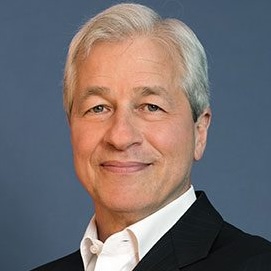
Jamie Dimon, CEO, JP Morgan Chase
JPMorgan Chase CEO Jamie Dimon has been direct about AI’s impact, saying bluntly, “It will eliminate jobs.” He has urged leaders to stop “sticking their heads in the sand” and instead manage the transition with honesty. While acknowledging that automation will make operations leaner, Dimon said JPMorgan’s head count could hold steady or even rise if the firm implements AI effectively. He highlighted the technology’s dual role—boosting productivity across every function while creating new needs in cybersecurity and fraud prevention. Dimon’s message reflects a leadership stance grounded in realism rather than reassurance.
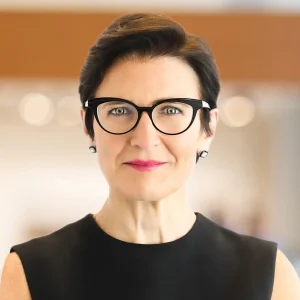
Jane Fraser, CEO, Citigroup
At Citigroup, CEO Jane Fraser has tied her multi-year restructuring directly to measurable productivity gains through automation and AI. She has told employees that “some jobs will change, some will emerge, and others will no longer be required,” linking those shifts to a plan to save $2.5 billion and streamline operations. Fraser has also cited examples of tangible efficiency, such as AI-driven code reviews that have exceeded one million and created about 100,000 hours of weekly capacity. Her approach underscores a theme increasingly visible across industries: acknowledging disruption openly can strengthen credibility and maintain confidence through change.
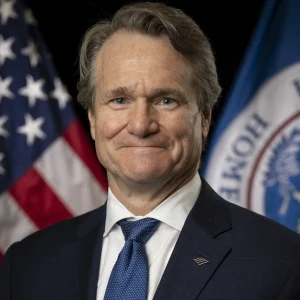
Brian Moynihan, CEO, Bank of America
Brian Moynihan, CEO of Bank of America, has emphasized retraining and redeployment as central to the bank’s AI strategy. While he conceded that automation has reduced the size of certain departments, he said the goal is to equip employees to “do what large language models cannot.” Moynihan noted that using AI techniques in product development has reduced coding workloads by roughly 30 percent, saving the equivalent of about 2,000 positions, while the bank maintains overall staffing levels through reskilling. His comments highlight a pragmatic approach to efficiency—one that places adaptation and workforce credibility at the center of technological change.
Source:
What Bank CEOs Are Saying AI Will Do to Their Head Counts – Business Insider
Executive Movements:
Leadership Transitions & Strategic Pivots
CXO Movements
PayPal
PayPal has replaced CEO Alex Chriss less than two years into his tenure, citing execution that fell short of board expectations amid prolonged share-price decline. The board has appointed HP CEO Enrique Lores as his successor, signaling a decisive shift toward leadership with operational and turnaround credibility. The abrupt move underscores growing board impatience with transformation strategies that fail to deliver near-term results, even when framed around innovation and emerging technologies.
Source: PayPal fires CEO Alex Chriss, poaches HP CEO Enrique Lores to replace him | Fortune
The J.M. Smucker Co.
The company has appointed Katie Williams as Chief Marketing Officer, effective March 9, following the planned retirement of Gail Hollander. Williams brings more than two decades of brand-building experience, most recently as U.S. CMO at Haleon and previously at GSK, Mondelēz, and Kraft Heinz. The appointment signals Smucker’s focus on strengthening brand leadership and marketing capabilities as a core driver of portfolio growth.
Source: The J.M. Smucker Co. Announces the Election of Katie Williams to Chief Marketing Officer
The Walt Disney Company
It has named Josh D’Amaro as its next CEO, effective March 18, 2026, marking a major internal succession following Robert Iger’s long tenure. A 28-year Disney veteran, D’Amaro comes from leading Disney Experiences, the company’s largest and fastest-growing segment, underscoring the board’s emphasis on operational scale and execution. Concurrently, Disney created a new President and Chief Creative Officer role for Dana Walden, signaling a deliberate separation—and elevation—of creative leadership alongside the CEO transition.
Source: Josh D’Amaro Named Next Chief Executive Officer of Disney | The Walt Disney Company
Uber
Uber has announced another change at the top of its finance function, appointing Balaji Krishnamurthy as CFO—its third finance chief in just over three years. Outgoing CFO Prashanth Mahendra-Rajah will step down in February but remain as a senior advisor through mid-2026, framing the transition as a personal decision rather than performance-driven. The move comes as Uber accelerates capital-intensive bets in autonomous vehicles, highlighting the growing pressure and shortening tenure of CFO roles in complex, high-growth environments.
Source: Uber has appointed a new CFO—its third in three years
CSX
CSX has announced a senior leadership transition with the retirement of long-serving Chief Administrative Officer Diana Sorfleet and the appointment of Riz Chand as Chief Human Resources Officer, effective February 23, 2026. Sorfleet exits after nearly 15 years, having played a central role in shaping CSX’s culture and guiding the organization through multiple CEO transitions. Chand joins from AEA Investors, signaling a continued emphasis on leadership development, organizational performance, and people strategy at the executive level.
Source: CSX Announces Leadership Changes to its Executive Team | Nasdaq
The Progressive Corporation
The company has announced the planned retirement of CFO John Sauerland, effective July 3, 2026, following a 35-year tenure with the company. Chief Strategy Officer Andrew Quigg is expected to succeed Sauerland and will work alongside him to ensure a smooth transition. The move reflects Progressive’s emphasis on internal succession and leadership continuity at the senior executive level.
Source: Progressive Announces Plans For CFO Transition | Progressive
Albertsons Companies
It has appointed Allison Pinkham as Executive Vice President and Chief Human Resources Officer, effective February 16, 2026. Pinkham brings more than 25 years of global leadership experience, most recently as CHRO at Galderma, where she led the people strategy through a successful private equity–to–public company transition. The hire underscores Albertsons’ focus on strengthening leadership capability and culture as it continues its growth and transformation.
Otis Worldwide
The company has appointed Enrique Miñarro Viseras as Chief Operating Officer, effective January 16, 2026, elevating a long-tenured internal leader to oversee global operations. Formerly President of Otis EMEA and Latin America, Miñarro brings deep regional and operational experience shaped by prior senior roles at Ingersoll Rand. The promotion, alongside a significantly enhanced compensation package, signals the board’s focus on strengthening operational execution and retaining leadership talent amid global market complexity.
Source: Otis Worldwide Appoints Enrique Miñarro Viseras as COO – The Globe and Mail
Chewy
Chewy announced the retirement of its Chief Technology Officer, Satish Mehta, and has initiated a search for his successor at a pivotal moment for the company’s growth story. The transition places renewed focus on technology leadership as a core driver of Chewy’s e-commerce platform, product roadmap, and customer experience. With investor sentiment already under pressure, the CTO appointment will be closely watched for signals around priorities in data, logistics, and personalization.
Source: Chewy CTO Retirement Puts Focus On Tech Leadership And Growth Story
Constellation Brands
Constellation Brands has named Nicholas Fink as its next President and CEO, effective April 13, 2026, succeeding Bill Newlands. Newlands will step down from the role and serve as a strategic advisor to support a smooth leadership transition. Fink, currently CEO of Fortune Brands Innovations and a Constellation board member since 2021, brings extensive leadership experience in consumer and beverage alcohol industries. The board highlighted Fink’s strong track record in driving growth and digital transformation. Newlands is credited with strengthening the company’s premium portfolio and leading Modelo Especial to become the top-selling beer in U.S. dollar sales.
Source: Constellation Brands Announces CEO Succession Plan – Constellation Brands Corporate Website
Kroger
Kroger has appointed Greg Foran as Chief Executive Officer, effective immediately, succeeding Ron Sargent, who will continue as Chairman. Foran brings over 40 years of global retail leadership experience, including leading Walmart U.S. through a major turnaround and accelerating its digital growth. Most recently, he served as CEO of Air New Zealand, guiding the airline through pandemic-related disruption and digital transformation. Kroger’s board cited his operational expertise and customer-focused leadership as key strengths to advance the company’s long-term growth strategy.
Source: Kroger Appoints Greg Foran as Chief Executive Officer
Dana Incorporated
Dana Incorporated has named Byron Foster as Chief Executive Officer, effective July 1, 2026, following a planned leadership transition. Current CEO R. Bruce McDonald will step down from the CEO role but remain Chairman of the Board. Foster, currently President of Dana’s Light Vehicle Systems unit, has driven strong sales growth and margin improvement since joining the company in 2021. The board highlighted his deep industry expertise and leadership experience as key to guiding Dana’s next phase of innovation and global growth.
Source: Dana Incorporated Announces Appointment of Byron Foster as Chief Executive Officer
CarMax
CarMax has named former InterContinental Hotels Group CEO Keith Barr as its new Chief Executive Officer, effective March 16, 2026. Barr takes over as the used-car retailer faces a challenging market marked by lower demand and margin pressures. The company has implemented cost-cutting measures, including job reductions, amid inflation-driven consumer caution. Analysts noted Barr’s leadership experience but highlighted his limited background in auto retail turnarounds as CarMax continues efforts to stabilize performance.
Source: CarMax taps former IHG chief Keith Barr as CEO | Reuters
AMD
AMD has appointed former Salesforce President and CMO Ariel Kelman as its new Chief Marketing Officer to strengthen engagement with customers, partners, and developers. The move comes as AMD intensifies competition with Nvidia in the AI infrastructure market, particularly around its Instinct GPU platform. Kelman will oversee global marketing, brand strategy, communications, and developer relations as AMD ramps up ecosystem expansion. The company is also increasing partner-focused investments in its CPU business to drive further growth in data center AI and enterprise markets.
Source: AMD Hires Salesforce President Ariel Kelman As CMO To ‘Deepen’ Ecosystem Engagement
Kyndryl
Kyndryl announced the immediate departure of CFO David Wyshner and General Counsel Edward Sebold, appointing Harsh Chugh as interim CFO. The company delayed filing its quarterly 10-Q as its audit committee reviews disclosures tied to adjusted free cash flow and internal controls, following voluntary document requests from the SEC. Kyndryl expects to report material weaknesses in financial reporting controls but does not anticipate restating prior financial statements. Shares fell sharply after the announcement, even as leadership reaffirmed long-term financial targets and free cash flow goals.
Source: Kyndryl CFO steps down ahead of accounting review | CFO Dive
Workday
Workday announced that co-founder Aneel Bhusri will return as CEO, replacing Carl Eschenbach, effective immediately. The leadership change comes as the HR software company pivots more aggressively toward artificial intelligence to drive future growth. Bhusri emphasized AI as a transformational force beyond SaaS, positioning it at the center of Workday’s strategy. The company recently acquired AI firm Sana and has faced investor pressure amid slowing growth, workforce cuts, and declining share performance.
Source: Workday names co-founder Aneel Bhusri as CEO in AI-driven shift | Reuters
WESCO International
WESCO International has named Indraneel “Neel” Dev as Chief Financial Officer, succeeding Dave Schulz, who will retire in May 2026. Dev previously served as CFO and Chief Revenue Officer at Congruex and earlier held the CFO role at Lumen Technologies.
Delta Air Lines
Delta Air Lines has named Amala Duggirala as Chief Digital and Technology Officer, unifying its digital and enterprise technology functions under one leader. Reporting directly to CEO Ed Bastian, she joins from USAA, where she served as CIO and led enterprise-wide technology transformation. With over 25 years of experience across banking, payments, and telecom, Duggirala brings deep expertise in cloud, SaaS, and digital modernization. Based in Atlanta, she will focus on integrating digital products with Delta’s technology foundation to enhance operations and customer experience.
Source: Delta Air Lines Brings on Amala Duggirala as Chief Digital and Technology Officer – CDO Magazine
Nium
Nium has appointed a new Chief Technology Officer, Chief Marketing Officer, and Chief Risk & Compliance Officer to support its next phase of global payments growth. The hires aim to position the company at the intersection of AI, stablecoins, and programmable money as cross-border infrastructure evolves. The CTO will oversee platform engineering and real-time payments innovation, while the CMO will lead global brand and go-to-market strategy. The new risk chief will focus on regulatory governance and enterprise risk management as digital assets expand across jurisdictions.
Source: Nium Names New C-Suite Hires to Lead Next Era of Global Payments Infrastructure
Insights: Inferring the why
The concentration of senior leadership transitions reflects more than routine succession planning. Across sectors, boards appear to be recalibrating leadership profiles to match a more demanding operating environment—one defined by AI acceleration, investor scrutiny, margin pressure, and slower demand in several industries. The pattern suggests a decisive pivot toward execution, financial rigor, and enterprise-wide transformation.
- Execution Is Outweighing Vision
Boards are increasingly favoring leaders with operational depth and turnaround experience. The emphasis appears to be on disciplined delivery, cost control, and performance predictability rather than expansive strategic narratives. Investors are signaling that strategy must translate into near-term results.
- Financial Discipline Has Become a Strategic Lever
The frequency of finance leadership changes suggests heightened attention to capital allocation, free cash flow transparency, and internal controls. As companies pursue AI investments and navigate economic uncertainty, the CFO role is becoming more central to risk governance and credibility with markets.
- AI Is Being Embedded at the Core of Enterprise Leadership
Technology and digital roles are being consolidated or elevated, indicating that AI is no longer an innovation initiative; it is an enterprise mandate. Leadership shifts show companies integrating AI into operations, go-to-market strategy, and product ecosystems rather than treating it as a standalone function.
- Marketing Is Expanding Into Ecosystem Strategy
Marketing appointments suggest a broader mandate beyond brand management. In competitive and AI-driven markets, marketing leadership is increasingly responsible for partner alignment, developer engagement, and category positioning—effectively acting as a bridge between product, ecosystem, and revenue growth.
- Talent Strategy Is Tied Directly to Transformation
Human resources and operations leadership moves signal recognition that organizational capability determines the success of strategic shifts. Workforce design, cultural resilience, and leadership continuity are being treated as core enablers of performance, particularly in transformation cycles.
- Stability and Continuity Are Being Balanced With Change
Several transitions reflect planned succession or internal elevation, indicating that boards are seeking transformation without destabilizing governance structures. In volatile markets, familiarity and institutional knowledge are being valued alongside innovation and strategic renewal.
The Bottomline:
The collective signal from these movements is clear: companies are entering a phase where operational execution, financial transparency, AI integration, and disciplined growth matter more than expansionary ambition alone. Leadership power is consolidating around those who can deliver measurable results in uncertain conditions.
Rebuilding Leadership Trust in the Efficiency Era
Markets and employees have stopped buying the efficiency story at face value. The narrative that once signaled control now triggers skepticism. In this new climate, the CEOs who stand out won’t be those who act faster, but those who communicate harder truths, invite scrutiny, and turn transparency into competitive advantage.
- Make “Why Now?” Your Default Question.
Before every restructuring, automation rollout, or headcount adjustment, ask — and answer publicly — why now? Leaders who pre-empt the “what’s really going on?” question set the tone for credibility instead of crisis control.
- Stop Performing Confidence — Start Showing the Math.
Vague optimism doesn’t work anymore. The smartest CEOs disclose metrics, milestones, and assumptions behind their efficiency claims. When you quantify your reasoning, you trade spin for substance.
- Turn Efficiency Narratives Into Human Stories.
A credible transformation story doesn’t start with technology — it starts with people. Explain who gains new opportunities, how roles evolve, and what growth paths remain. AI-driven change sounds believable only when it includes a human arc.
- Lead in the Open, Not From the Podium.
Replace one-way announcements with visible dialogue — town halls, open Q&As, internal forums where employees can challenge leadership narratives. Credibility grows fastest where leadership invites discomfort.
- Redefine Efficiency as Capacity, Not Cuts.
The market is tired of “doing more with less.” Reframe efficiency as creating capacity — for innovation, reskilling, and value creation. The difference is subtle but signals intent: you’re building, not shrinking.
- Make Accountability a Core Leadership Competency.
In 2026, reputation management is performance management. Report back on what worked — and what didn’t — in every transformation. Admitting what fell short reinforces strength, not weakness.
The CEOs who will thrive beyond this credibility crunch aren’t the loudest champions of AI or cost discipline. They’re the ones who treat communication as a discipline of its own: measured, transparent, and grounded in evidence. In a world that’s lost patience with spin, accountability is the new charisma.